

One of the biggest mistakes you can make when you start out in filmmaking is failing to plan.
This is obvious in the case of fiction – but it is just as important when you are making a non-fiction film.
You might want to just to a project and film what is going on. It feels natural and genuine. But you will waste everyone’s time. Including your own.
T:
1. What’s the Story? Finding Your “North Star”.
Without a plan, non-fiction filming can easily devolve into a series of disconnected interviews and B-roll. Planning allows you to identify your core narrative arc.
Even if the reality on the ground changes, having a scripted “treatment” or a list of key themes ensures you know what questions to ask and which shots are essential to tell your story.
In the dogs home examplre you appealing for dog walkers, donations of food, or volunteers to administer placements? Each will require different pictures to really tell the story. And a different focus for interviews.
Action Point: Work out your key messages. Write a script featuring the key points you want to make in your film.
2. Shotlists – Use Your Time Wisely
Time is everything. The people hosting you will have limited patience. You have limited daylight or opening hours. You want to be efficient.
You want to shoot lots of what you need. And very little of what you don’t.
Knowing your story, and how you are going to tell it, is key to building a shotlist, which will guide your schedule for the day.

If you are looking for dog walkers, you need to film volunteers out walking dogs. If you are looking for people to administer placements, you probably want to time your filming for when someone is picking up their new dog.
Action Point: Create a shotlist by going through your script and working out which pictures illustrate each section.
3. Building Trust with Subjects
Non-fiction relies on the relationship between the filmmaker and the subject.
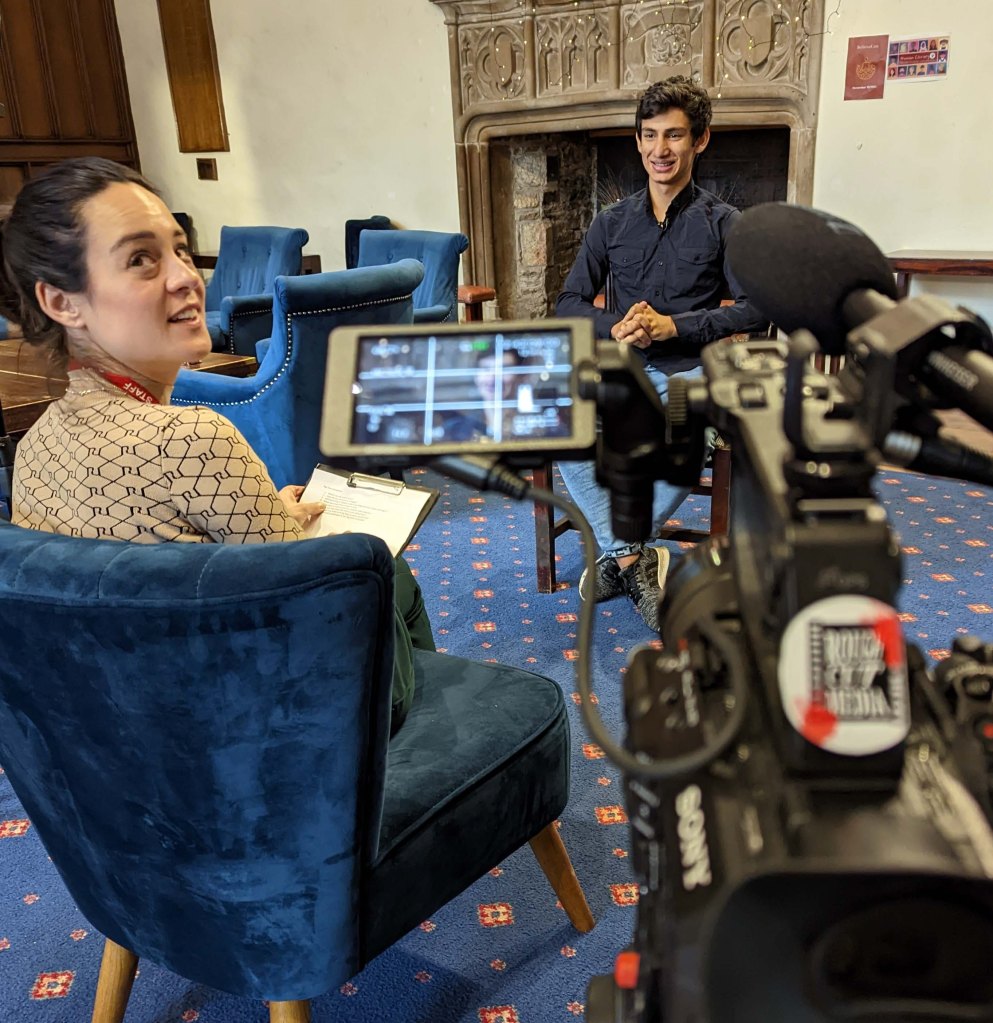
If you arrive organised with a clear vision, your subject will feel more comfortable. Interviewees – especially if they are vulnerable – will get tired of endless rambling interviews.
If you are focussed, you can get what you need efficiently and leave them to get on with their day.
In the dogs home example, if you’re not appealing for dog walkers, why ask the charity leader about details of what that involves?
Action Point: Work out the key points you need your interviewees to cover. Make a checklist so you can make sure that they say them clearly in their interviews. Work out the kinds of questions that will give you the answers you . (But don’t be a slave to them. The important thing is to get the answers you need – not to ask the questions you want to ask!)
4. AI is your Friend
On our courses at Rough Cut Media we show you how to use AI to assist with planning (and with the rest of the production process)
Using LLMs like Gemini can be brilliant for helping generate ideas and structures for your work. Be sure, though, to inject human judgement and creativity into the mix.
you your film will end up looking generic and uninspiring!
Action Point: Before you start, upload everything (briefings, web-links, ideas) to an LLM like Gemini or CoPilot and ask it to produce several scripts and shotlists. See if you can get ideas from them. Then pull it all together to create something uniquely your own.
Learn More
Rough Cut Media offer one-day, hands-on, small group training in film making skills.
We start with the planning, then talk about shooting (some pro-tips here) before we show you both the technical and creative side of desktop editing on free software.
The courses are continually updated to take account of the changing applications of AI in non-fiction film making.

