
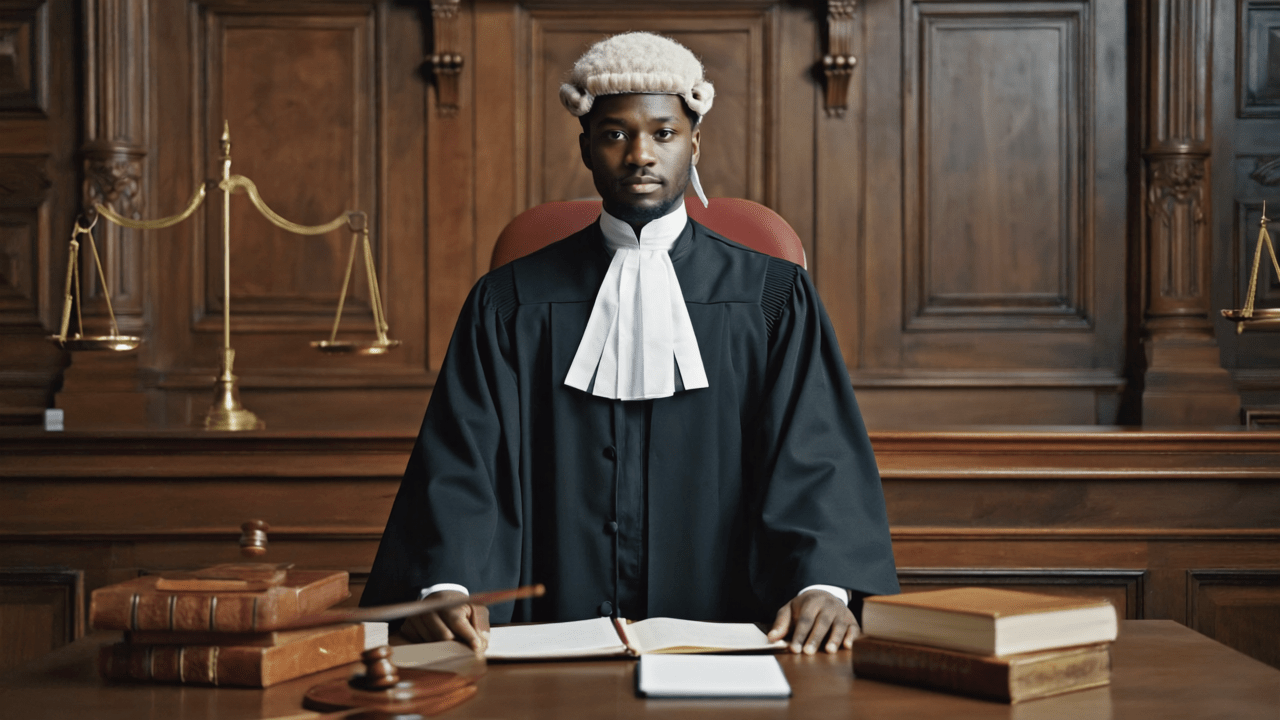
AI is getting better at diversity. When I asked Runway – a major GenAI platform to create an image of a British lawyer – this is the first thing it came up with.
A year ago, when I asked for pictures of British lawyer, seven out of eight images were white men. The other an attractive young white woman.1 (AI likes youth and beauty – especially in women).
It is great to see Gen AI apps embrace diversity by generating pictures like the one above. But the issue is not simple and we need to take more care than ever when we use AI images.
While I’m glad to see this image – it is huge misrepresentation of the British legal system. Only 1% of Judges and KCs and 4% of junior barristers are black. Care would be needed in using this image. 12 Nobody would want to imply the judiciary in the UK is not pale, stale and male.
Old Prejudices Die Hard
Delving deeper into Runway, though, shows that stereotypes still persist and are deeply skewed by gender. I found:
- Women are young, sexy and ethnically diverse
- Men are more likely to be white – at least in professional roles
- The old racial and gender stereotypes are still there.

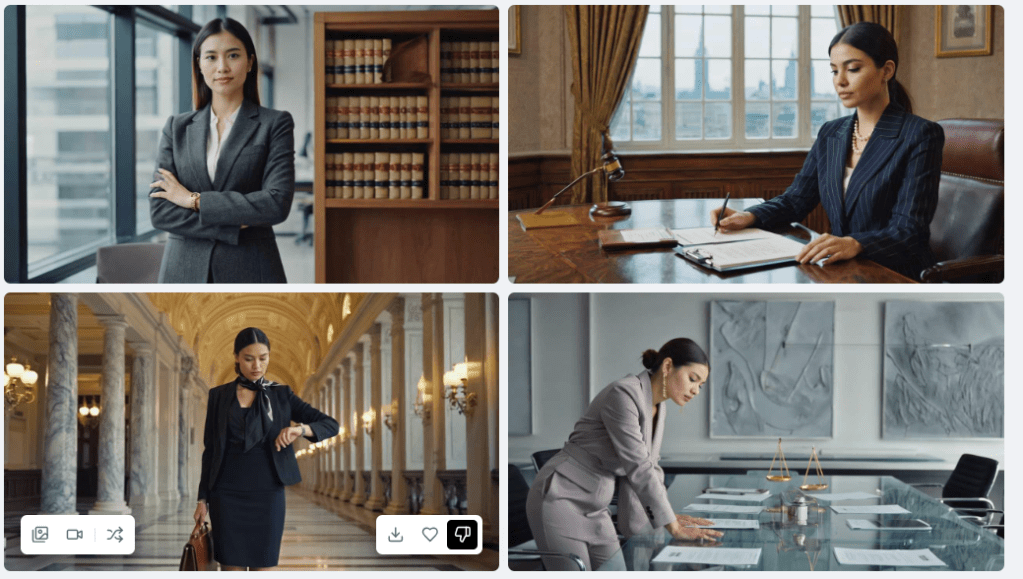
As an example, I asked for images of a typical British solicitor, I got four white men. (even though 53% of solicitors are women). Then, when I went to generate pictures of female solicitors, I got four very glamorous ethnically diverse women. In reality, only 18% of solicitors are from non-white backgrounds.3
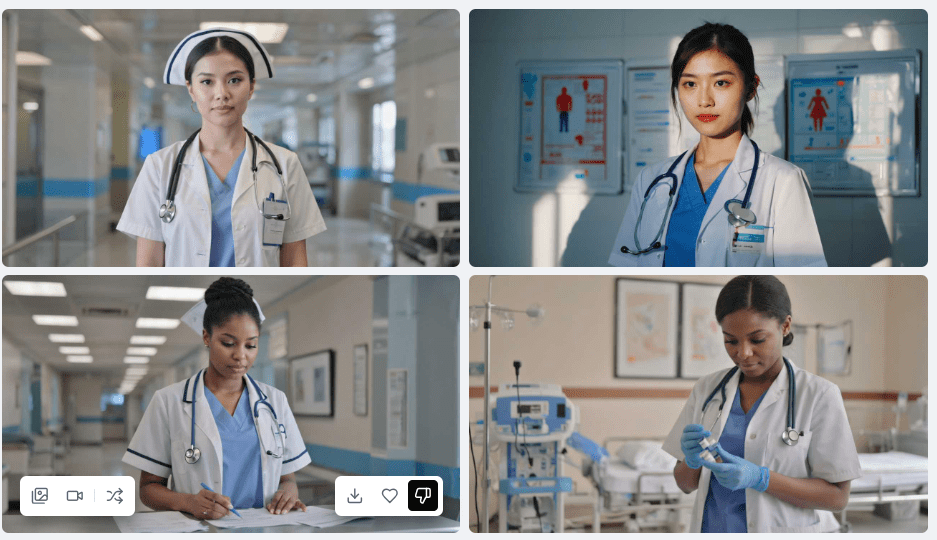
I thought his white men vs diverse women was odd, so I did a similar search for nurses. And yes. The first four generations created ethnically diverse women. But when I generated images of male nurses, they turned out to be all white.
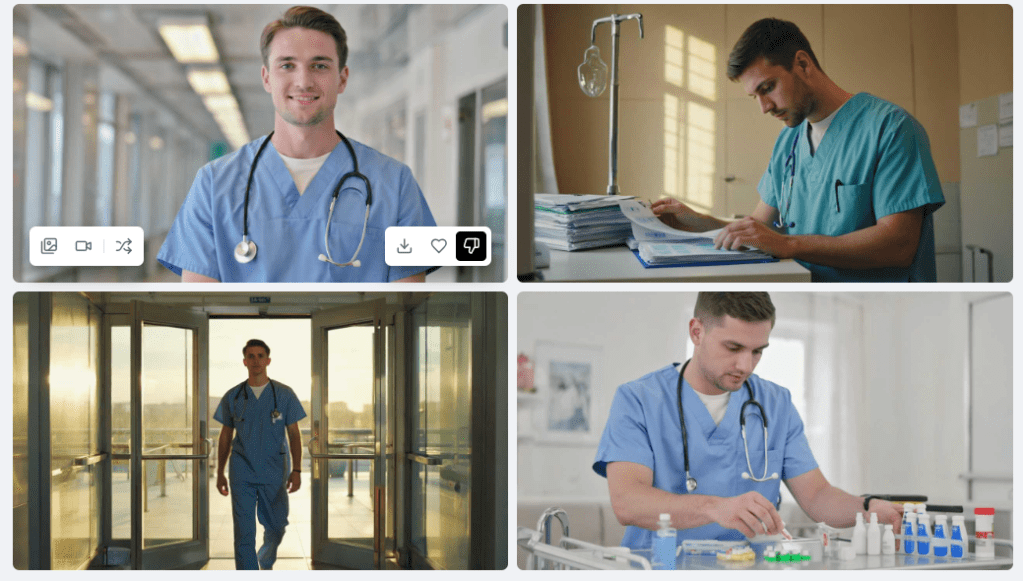
In reality around 29% of nurses, midwives and health visitors working for the NHS are “from Black and minority ethnic backgrounds”.4
Important Lessons
My fear here is that we assume AI gets it right when in fact it is throwing out moderated prejudices in its training data. It needs to be interpreted with care.
The original image of the black barrister is great in a lot of contexts – but equally it should not be used to pretend that there are not issues with a lack of diversity in the judiciary.
Busy content creators illustrating a piece on nursing or the law will probably generate either sexy minority women or white men. The temptation is for busy staff to download the first image they see, without thinking of the implications.
As more and more organisations use pictures like these in place of stock footage, the fear is that these stereotyped images will increasingly be the default – reinforcing the fictions that nurses are attractive women and lawyers are probably men.
Practical steps for generating better images
I would urge any content creator to think before they prompt. What ethnicity and gender would best illustrate your story? Do all women and most men have prefect bodies? (Around a a quarter of nurses are obese!) 5
Step One: Imagine your perfect image. What ethnicity is your ideal character? Some software is sensitive about racial descriptions in prompts. You could describe skin tone instead (olive, dark etc. That usually works). American terms like Caucasian are also better than European terms.
Step two: Think gender. How do you want to represent your character?
Step 3: GenAI is amazing at creating images of 23 year-old supermodels. Giving an age (or in some software an age range like Middle Aged) helps fight that tendency. If you ask for 45, expect 35, though!
Step 4: Students on the MA in AI and Digital Media I teach at Cardiff University6 tried terms like “doesn’t look like a supermodel” or “looks like a regular person, not a model”. This seemed to work in Runway … even though the platform advises against “negative prompts” 7
Step 5: Think body shape. Your generated characters – especially women – will have generally catwalk-ready figures. Terms like “slightly overweight” can help.
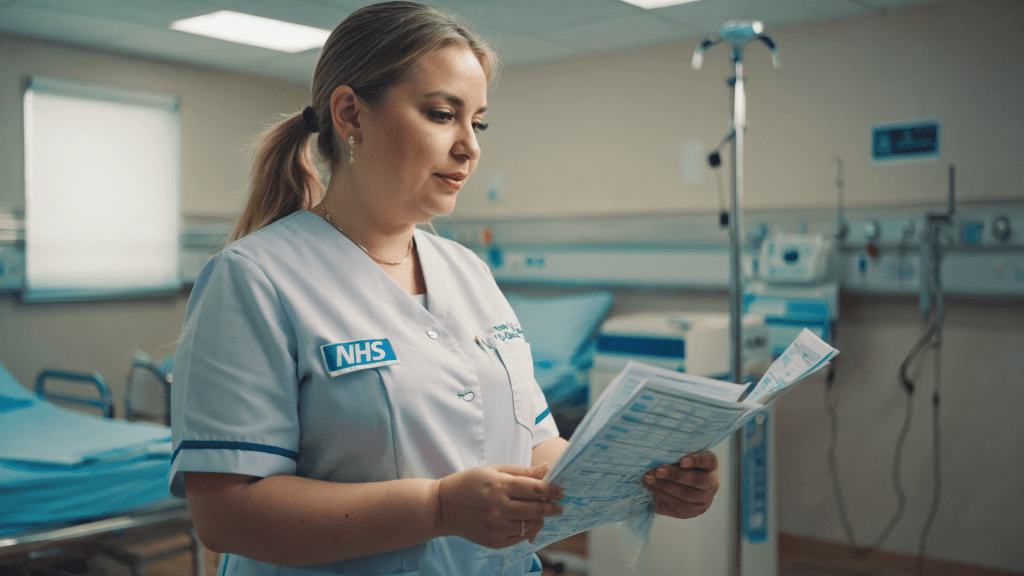
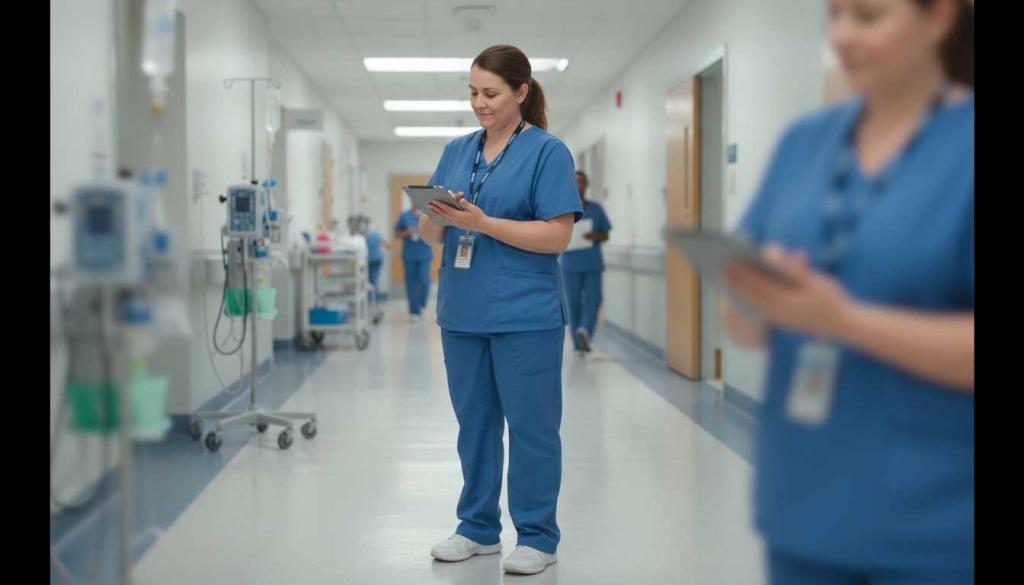
Images generated by Postgraduate students at Cardiff University.
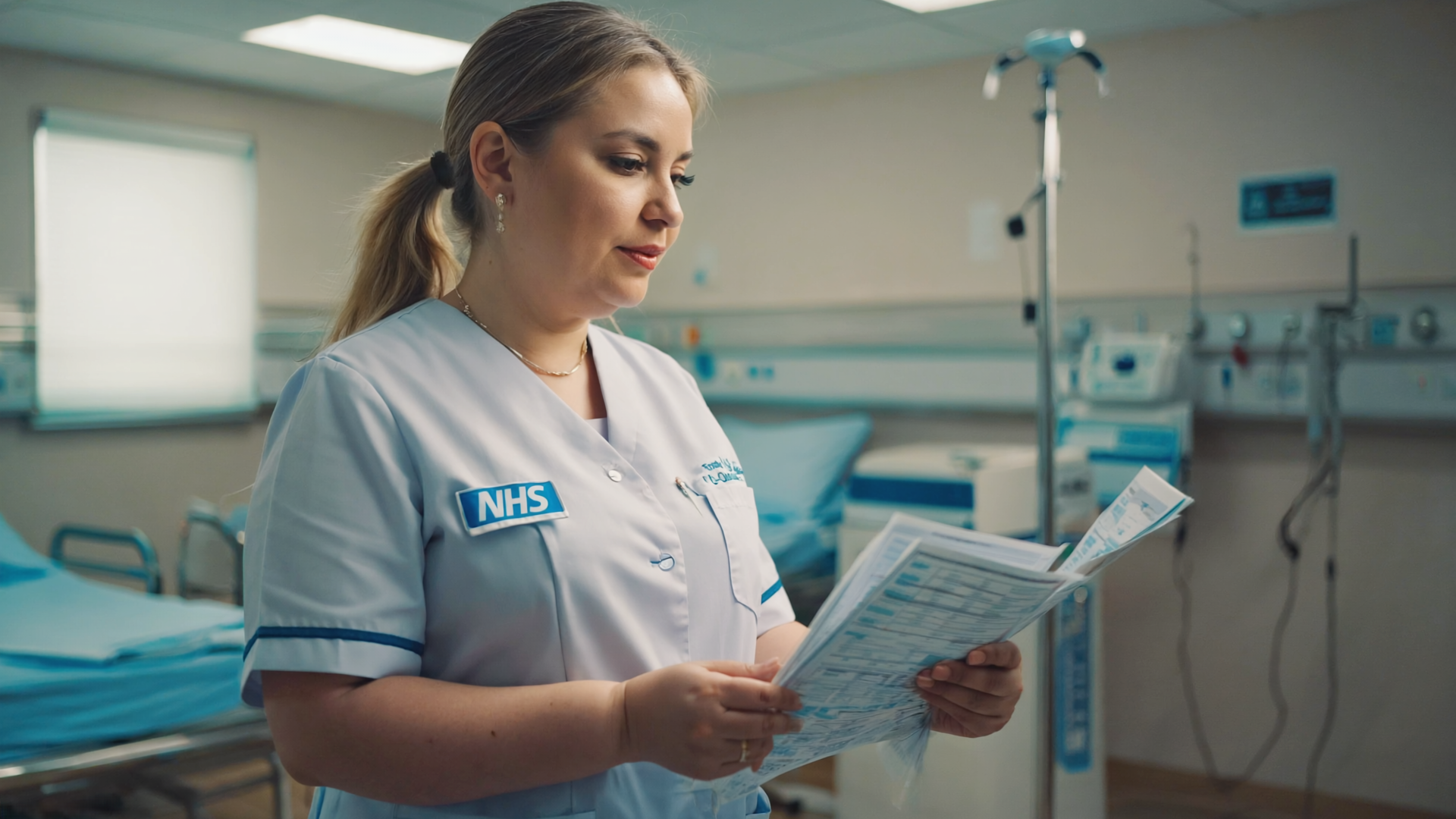
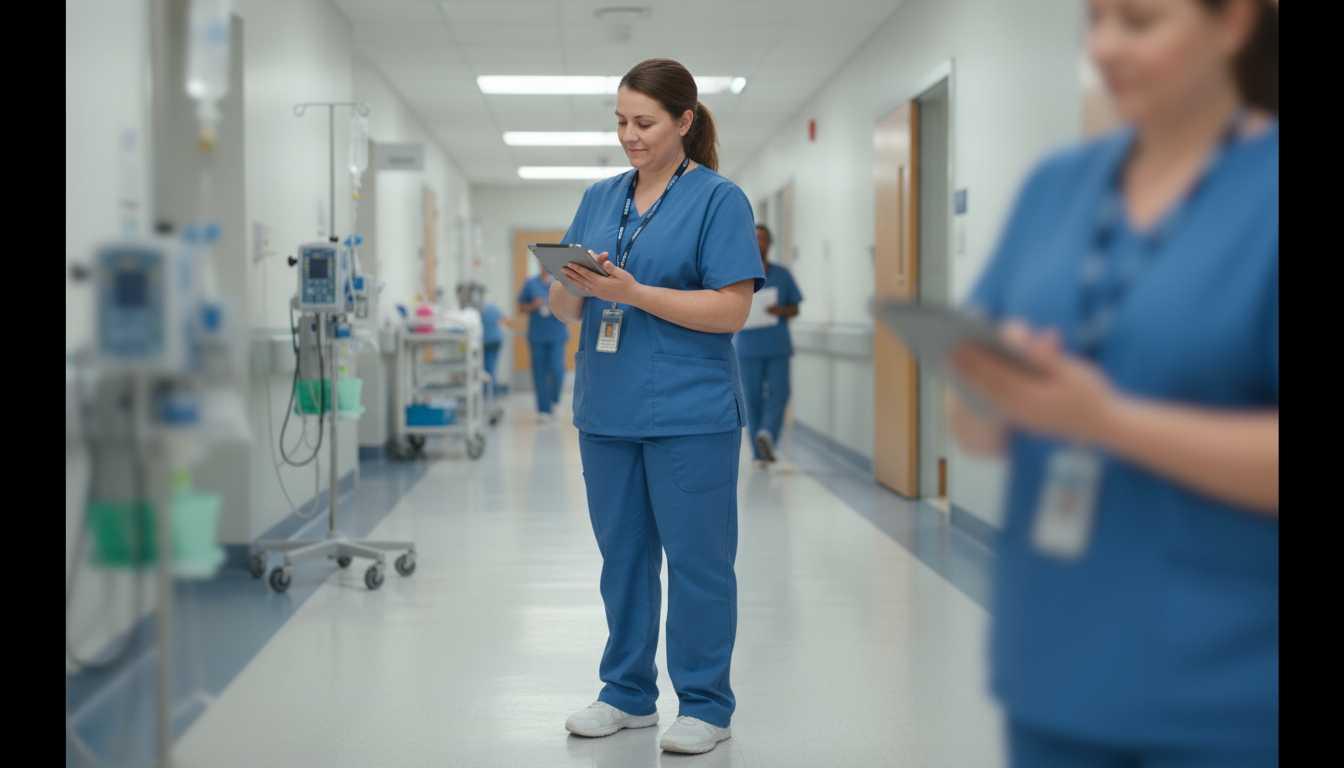
Any other suggestions for prompting for better and more diverse characters? Let me know!
- AI Bots Fail to Reflect Diversity: https://roughcut.media/2024/05/29/ai-bots-fail-to-reflect-diversity-in-modern-britain-study/ ↩︎
- Source: Diversity of the judiciary: Legal professions, new appointments and current post-holders – 2024 Statistics: Ministry of Justice: https://www.gov.uk/government/statistics/diversity-of-the-judiciary-2024-statistics/diversity-of-the-judiciary-legal-professions-new-appointments-and-current-post-holders-2024-statistics#:~:text=The%20proportions%20of%20female%20individuals,of%20an%20ethnic%20minority%20background. ↩︎
- Solicitors Regulation Authority 2024: https://www.sra.org.uk/sra/equality-diversity/diversity-profession/diverse-legal-profession/ ↩︎
- NHS 2023: https://www.england.nhs.uk/2023/02/new-figures-show-nhs-workforce-most-diverse-it-has-ever-been/ ↩︎
- BMJ, reported in Collaborating Health: https://www.c3health.org/project/press-release-one-four-nurses-england-obese-new-research-suggests/ ↩︎
- For details of the course: https://www.cardiff.ac.uk/study/postgraduate/taught/courses/course/ai-and-digital-media-production-ma ↩︎
- Runway Gen4 Promp Guidelines for Images: https://help.runwayml.com/hc/en-us/articles/35694045317139-Gen-4-Image-Prompting-Guide ↩︎
 Rough Cut Media Ltd
This is good! 😊 But you’ve duplicated the pics generated by your students at the bottom!
LikeLiked by 1 person
Thanks!! 🙏
LikeLike